Condensed Block Embroidery Font: A Modern Choice for Stylish Stitches
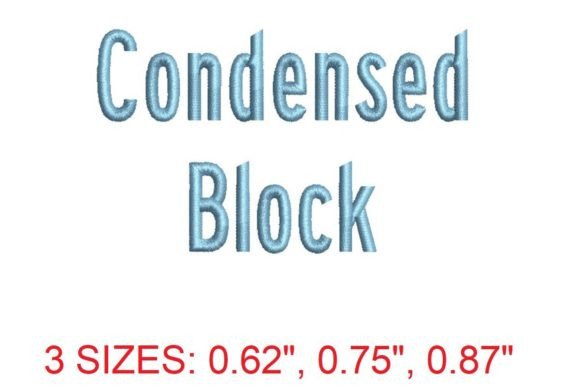
If you're looking to elevate your embroidery projects with a fresh, contemporary look, the Condensed Block Embroidery Font is an excellent choice. This font offers a sleek and versatile design that's perfect for monograms, decorative accents, and personalized designs. Its clean, condensed lettering adds a modern sophistication that stands out on fabric, making it ideal for both beginners and seasoned embroiderers.
Why Choose Condensed Block?
The Condensed Block font is designed with precision in mind. Each character is meticulously crafted to ensure clarity and legibility, even when scaled down. The font's condensed style allows for more text to fit into smaller spaces, which is particularly useful for creating compact yet impactful designs. Whether you're working on a small embroidered patch or a large banner, this font adapts well to various project sizes.
One of the standout features of Condensed Block is its compatibility with the popular PES file format, which is widely used by embroidery machines from brands like Brother and Babylock. This makes it easy to integrate into your existing workflow without needing to convert files or adjust settings unnecessarily.
Common Mistakes to Avoid
While Condensed Block is a powerful tool, there are some common mistakes users make when choosing or using this font. One frequent error is not considering the stitch density and thread type that work best with the font's design. For instance, using a fine thread with a dense stitch pattern can result in weak or uneven stitching, especially in areas where the letters are closely packed.
Another mistake is assuming that all embroidery machines support the same file formats. While Condensed Block comes with multiple file formats, it's essential to check your machine's compatibility before purchasing. Some machines may require specific software or firmware updates to work seamlessly with the font.
Additionally, many users overlook the importance of test stitching before committing to a full design. Testing a small section of the font on scrap fabric can help identify potential issues such as distortion, misalignment, or stitch spacing problems. This step can save time and materials in the long run.
How to Avoid These Mistakes
To avoid these pitfalls, start by researching your machine's specifications and ensuring it supports the PES format. If you're unsure, consult your machine’s manual or reach out to the manufacturer's support team. Next, always test stitch a sample design before proceeding with larger projects. This allows you to see how the font behaves under real conditions and make any necessary adjustments.
When selecting thread, consider the weight and color that will complement the design. Darker threads often work best with light-colored fabrics, while lighter threads can enhance contrast on darker backgrounds. Experimenting with different thread types can lead to more visually appealing results.
What to Check Before Using Condensed Block
Before finalizing your decision, there are several key factors to consider:
- Font Availability: Ensure that the Condensed Block font includes all the characters and punctuation you need for your project. Some fonts may have limited character sets, which could restrict your design options.
- File Formats: Confirm that the download includes the correct file formats for your machine. Most embroidery fonts come in PES,
- Stitch Count and Density: Review the stitch count and density information provided in the download. This data helps you understand how the font will perform on different fabric types and thicknesses.
- Machine Compatibility: Double-check that your machine is compatible with the Condensed Block font. Some older models may require additional software or upgrades to support newer font styles.
- Design Layout: Consider how the font will fit into your overall design. The condensed style works well with tight layouts, but it may not be suitable for large-scale banners or signs.
By carefully evaluating these aspects, you can make an informed decision and avoid potential issues that might arise during the embroidery process.
Conclusion
The Condensed Block Embroidery Font is a valuable addition to any embroiderer's toolkit. With its clean, modern design and wide compatibility, it offers a versatile solution for a variety of projects. However, success with this font depends on careful planning, testing, and attention to detail. By avoiding common mistakes and following best practices, you can unlock the full potential of Condensed Block and create stunning, professional-quality embroidery designs.